
How Contactless B2C Payments Are Changing Consumer Habits22 min read
Reading Time: 8 minutesContactless B2C payments are becoming increasingly practical, fast, and secure, leading to fundamental changes in customer payment habits.
Furthermore, the fact that contactless payments are not limited to physical cards issued by banks but can also be made via mobile applications and NFC technology on cell phones makes these payment methods the most frequently preferred among digital B2C payment solutions.
Among the changes brought about by digitalization in the finance sector, one of the most impactful on customer payment habits is online B2C payments and the ability to complete physical payments contactless.
When a customer makes a purchase from a physical store or an online platform and pays using contactless online B2C payment tools, they are included in a faster and more secure payment infrastructure. Therefore, in recent years, many platforms have been providing digital services to make consumer payment processing easier and more secure for businesses.
This allows for the achievement of secure B2C transactions goals and ensures the secure protection of information and assets for both businesses and customers.
This platform is a good choice to enjoy being in the right place among reputable and reliable B2C payment platforms.
Customer habits can change rapidly in different periods. The increasing number and rapid development of digital B2C payment solutions in recent years has led to significant changes in consumer shopping and payment habits.
We know that they are turning to digital payment methods not only for purchases on e-commerce platforms but also for their daily needs. For businesses, updated payment infrastructures are necessary for the most efficient management of the consumer payment processing process.
In traditional payments, the multi-stage payment processes cause customers to make more judgments before purchasing a product or service, which can lead to a decrease in the commercial profitability of businesses.
However, thanks to digital finance partners that serve as B2C payment platforms, payments can be processed securely and quickly within seconds. These developments undoubtedly change customers’ payment and shopping habits. Innovative solutions like B2C payments are preferred over traditional payment methods because they are much easier.
However, developing a partnership with a reputable and reliable platform ensures the smooth continuation of secure B2C transactions.
What are contactless B2C payments and how do they work?
Contactless B2C payments, while a term describing payments via NFC on mobile phones, also encompasses payments made with physical cards in traditional banking. However, in recent years, B2C payment systems have increasingly referred to payments completed through digital wallets via mobile applications.
Traditional banks often fall short in providing these innovative services. Therefore, businesses, especially those operating on a global scale, are developing partnerships with digital gateways to be compatible with mobile B2C payments.
Different businesses may have different expectations, such as fast B2C payment processing. However, for businesses with global networks and customers and suppliers in different parts of the world, having a digital infrastructure to complete cross-border transactions quickly and securely is crucial.
In recent years, the adoption of mobile payment habits by individuals from almost every income group and consumers from different demographics has accelerated the development of services in the digital payments for consumers field.
Selecting reputable and established B2C payment gateways among the numerous options that differ in their services and features is also the responsibility of businesses.
How are contactless payments changing the way consumers shop?
The impact of contactless B2C payments on shopping habits became much more pronounced after the pandemic. Previously, an individual had to physically visit a store or business branch to purchase a product or service.
Furthermore, payment processes involved lengthy procedures such as entering passwords and providing card information. However, thanks to services like digital banking for B2C payments, consumer shopping habits have undergone significant changes.
The infrastructure offered by numerous B2C payment gateways allows businesses to more easily access all their global financial needs, including cross-border B2C payments. This enables customers to meet their diverse needs more quickly and securely using contactless payment methods.
In particular, the advantages of multi-currency B2C payment solutions offered by these payment methods allow for the use of different payment methods simultaneously, rather than just a single currency or asset type.
Many businesses from various sectors have begun to manage all their financial processes within a traceable and digital ecosystem thanks to tools like automated B2C payment workflows.
Are contactless payments faster than traditional payment methods?
Within the scope of streamlining B2C payments with digital banking, when comparing traditional payment methods with contactless payment solutions, the following differences can be listed:
- Payment times are reduced to seconds with contactless payments.
- Digitalizing all financial management, which is among the tips for secure online B2C transactions, facilitates analysis and tracking for businesses.
- When reliable choices are made among the best B2C payment platforms for businesses, mobile payment solutions can also be actively used. This speeds up payment processes for customers in a more practical way.
Among B2C payment strategies for e-commerce, prioritizing contactless payments is definitely at the top of the list, especially for businesses in sectors like e-commerce. It is recommended that commercial businesses with goals such as improving customer experience with B2C payments take action to transform their payment infrastructure.
How do mobile wallets support contactless B2C transactions?
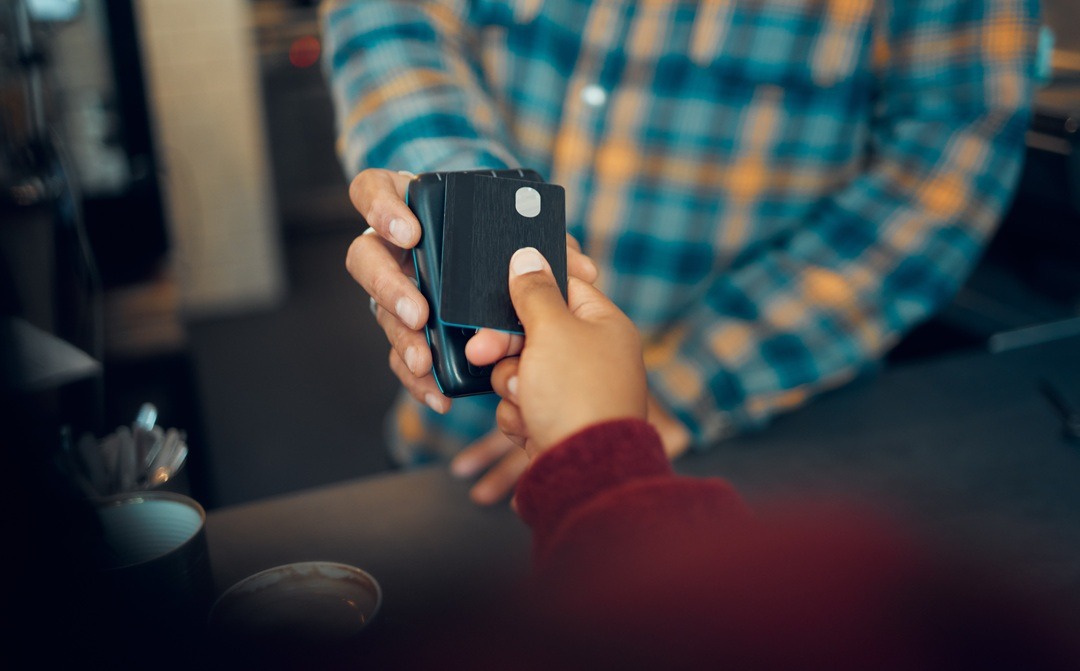
Among digital tools for B2C payment processing, mobile wallets are undoubtedly the most widely used model. Almost everywhere in the world, people manage their payments through mobile applications.
Many consider carrying a physical wallet an outdated habit. While the vast majority of payments on online shopping platforms are completed digitally, digital wallets are now the preferred choice even for physical payments.
One of the biggest advantages of digital wallets is that they provide a high level of security and speed for users. This makes payment processes more efficient for businesses and is effective in deepening the bond between customers and the brand.
Although the variety of fintech solutions for consumer payments is increasing every day, the popularity of digital wallets will continue for a long time. Therefore, it is recommended that businesses start their digital transformation by choosing a reputable online payment gateways for B2C businesses.
Moreover, mobile wallets offer sufficient solutions within the scope of international B2C payment solutions not only for e-commerce participants but for almost all business models.
Can contactless payments improve customer satisfaction and loyalty?
The development of customer loyalty within a business is not only related to social benefits and service delivery but also to how financial processes are managed.
Under the umbrella of improving customer experience with B2C payments, many businesses are known to increase access to potential customers and strengthen existing customer loyalty by having an infrastructure compatible with contactless payment methods such as mobile wallets.
Digital solutions like digital wallets for B2C payments allow businesses to spend less energy and resources on payment processes.
Various fintech firms are developing contactless and mobile B2C payment solutions, and the number of payment methods is increasing daily. In such a rapidly evolving ecosystem, it is crucial for businesses to leverage advantages like B2C transaction security in digital banking.
Otherwise, remaining strong and resilient in rapidly changing market conditions can be difficult. Businesses selling the same service or product that offer more digital payment options will undoubtedly have more potential customers.
Commercial profitability can be achieved not only by reaching more customers but also by spending fewer resources on services like digital banking for B2C payments. Therefore, evaluating B2C payment tools is recommended for more efficient financial management.
Are contactless payments secure for everyday purchases?
B2C payment systems encompass payment methods suitable not only for consumers on online shopping platforms but also for everyday shopping. Today, in developed countries like the US and UK, it’s common to see people completing payments for everyday purchases, such as grocery shopping, without carrying a physical wallet.
This habit stems from consumers’ greater convenience and practicality in making payments. Many traditional banks and digital finance platforms are focusing on offering fast B2C payment processing services to increase the impact of contactless payment options.
Unlike traditional payment methods, these digital payment processes offer the following advantages for everyday shopping:
- Advanced encryption and authentication offered under Digital payments for consumers prevent someone else from using your digital wallet;
- A smartphone is sufficient for completing mobile B2C payments, eliminating the risk of losing cards or cash;
- Access to numerous B2C payment gateways focusing on different services and features;
- Your digital banking for B2C payments service is generally free for individual use and does not include additional costs such as subscription fees.
- For businesses, the integration process with these infrastructures may require a certain amount of cost.
How widely are contactless payments accepted by merchants?
Cross-border B2C payments are a financial solution frequently used not only by platforms and businesses where digital payments and transfers are common, such as e-commerce, but also by small businesses.
More and more businesses are equipping their infrastructures with digital payment methods, contactless payments, and mobile wallets. Platforms offering multi-currency B2C payment solutions are preferred for those transferring between suppliers in different countries and using different currencies, while contactless B2C payments may suffice for everyday shopping.
However, to keep up with this trend, businesses need to use a reputable and secure platform.
A business that transforms its financial infrastructure through such a platform can eliminate the stress of manual financial management thanks to tools like automated B2C payment workflows. All transactions managed with both customers and suppliers can be tracked transparently.
What impact do contactless payments have on in-store shopping behavior?
It is suggested that B2C payment strategies for e-commerce should be developed not only focusing on online payments but also encompassing in-store shopping processes. The widespread adoption and ease of contactless payments have led to significant changes in customer behavior and reactions to in-store payments.
Thanks to streamlining B2C payments with digital banking, customers no longer spend long hours at checkout counters. Everyone completes their payment for products or services within seconds using digital tools.
This allows stores to establish a more digital work network for cashiers, while also increasing customer efficiency by fulfilling more of their needs in a shorter time.
Thanks to advanced cybersecurity infrastructures developed under tips for secure online B2C transactions, personal identification information or bank account details are not shared with third parties during in-store payments.
This fast and secure experience increases customer loyalty to businesses and stores offering such innovative payment options. This is highly effective for businesses that want to develop strategies for improving customer experience with B2C payments.
Today, it is possible to observe many excellent and creative practices in in-store payment in developed countries.
Can contactless payments help reduce cash handling for businesses?
Looking at all financial transactions over the last 10 years, it wouldn’t be wrong to claim that we’ve entered a period with the least amount of cash usage. The emergence of new digital asset classes like cryptocurrencies, and the development of digital payment methods by traditional and digital financial institutions, has resulted in increasingly less cash usage.
Moreover, this decrease isn’t limited to online shopping or commercial transactions; it’s even reflected in daily shopping. Numerous international B2C payment solutions offered for different customer profiles are known to reduce reliance on cash, providing more secure payments.
Thanks to fintech solutions for consumer payments developed in various countries, all financial transactions, from small daily purchases to cross-border payments for import/export businesses, can be managed digitally.
Those wishing to participate in this change only need to collaborate with a reputable platform among online payment gateways for B2C businesses.
How do consumers adapt to using cards versus mobile devices for contactless payments?
Although contactless payments using physical cards offered by traditional banks are still the most common payment method today, it’s a known fact that people in many developed countries no longer carry physical wallets and cards.
The effects of this digital transformation are expected to become even more pronounced in all payment methods worldwide in the near future. Innovative payment methods like digital wallets for B2C payments provide a more practical and advantageous payment process compared to using cards.
Practical solutions like making payments by simply touching POS devices with NFC technology on mobile devices are weakening habits that involve physical payment methods like credit cards.
Unfortunately, businesses that are not compatible with methods like contactless and mobile B2C payment solutions and still insist on old methods are reaching fewer customers. Moreover, they are missing out on the advantage of B2C transaction security in digital banking provided by advanced algorithms using digital encryption methods.
When you transform your digital infrastructure with a reputable and reliable digital banking platform like The Kingdom Bank, you will not only be limited to accepting credit card payments and paying commissions to traditional banks.
About The Author

Legal Disclaimer: The Kingdom Bank is licensed and authorised by the Financial Services Unit, Ministry of Finance of the Commonwealth of Dominica, licensed as a banking institution under the International Banking Act, fully authorised to provide services to clients worldwide, under the prudential supervision of the Financial Services Unit. thekingdombank.com operates under a licence granted by the Commonwealth of Dominica and provides its services to customers under this licence.