

Digital Asset Savings Accounts vs. Traditional Savings Accounts21 min read
Reading Time: 8 minutesWhen you save with a digital asset savings account, you can aim to earn passive income with digital asset savings. These accounts operate through online platforms and your funds are evaluated with a specific return mechanism.
In this system, users using crypto savings accounts can access higher returns. But you should act by looking at factors such as platform risk, regulatory uncertainty and asset price fluctuations.
You can have a more dynamic savings method with digital asset accounts. However, you should manage risk more disciplined. Traditional savings accounts allow you to save in local currency through banks. These accounts have a more stable structure.
You can make your transactions faster with systems such as blockchain savings accounts or digital money savings accounts.
You can also easily manage your funds digitally. However, in traditional accounts, they implement deposit insurance, strong regulation and more established customer protection systems.
Digital asset savings account are a method that allows you to earn interest on digital assets or stablecoins. Traditional savings accounts allow you to save more consistently in local currency at banks.
In digital systems, return rates may be periodically higher than others. However, you should not forget platform risk, regulatory uncertainty and asset-based fluctuations.
Although interest rates are lower in traditional accounts, earnings are more guaranteed. At the same time, banks keep your money safe.
Traditional savings accounts are secure and stable while digital asset accounts change dynamically. If you are choosing digital asset accounts, security and transparency are important. To manage digital assets safely in a savings account, you should pay attention to certain points.
Actively use security measures such as two-factor authentication, withdrawal whitelist, push notifications and suspicious transaction tracking.
What is the difference between digital asset savings accounts and traditional savings accounts?
You can earn money through digital currency savings accounts, crypto assets or stablecoins offered through online digital asset banking. Traditional savings accounts allow you to save money at banks in local currency.
Return rates on digital asset accounts will be higher from time to time. However, you must take into account risks such as platform risk, regulatory uncertainty and asset price fluctuations. Traditional savings accounts allow you to earn less but more predictable money. These accounts are protected by banking regulations.
Digital asset savings accounts are more dynamic. In addition, traditional savings accounts have a more stable savings approach. The difference between the two account types becomes clearer in security and usage style.
In digital accounts, you earn money by investing funds within the platform with products such as crypto interest accounts.
You can make transactions in these accounts by managing them via the mobile/online panel. However, the security level varies depending on the platform.
By using a secure digital asset account, you can benefit from features such as two-factor authentication, withdrawal whitelisting, suspicious transaction tracking, and transparent reserve policies.
With traditional savings accounts, your risk profile is low with deposit insurance and established banking infrastructure.
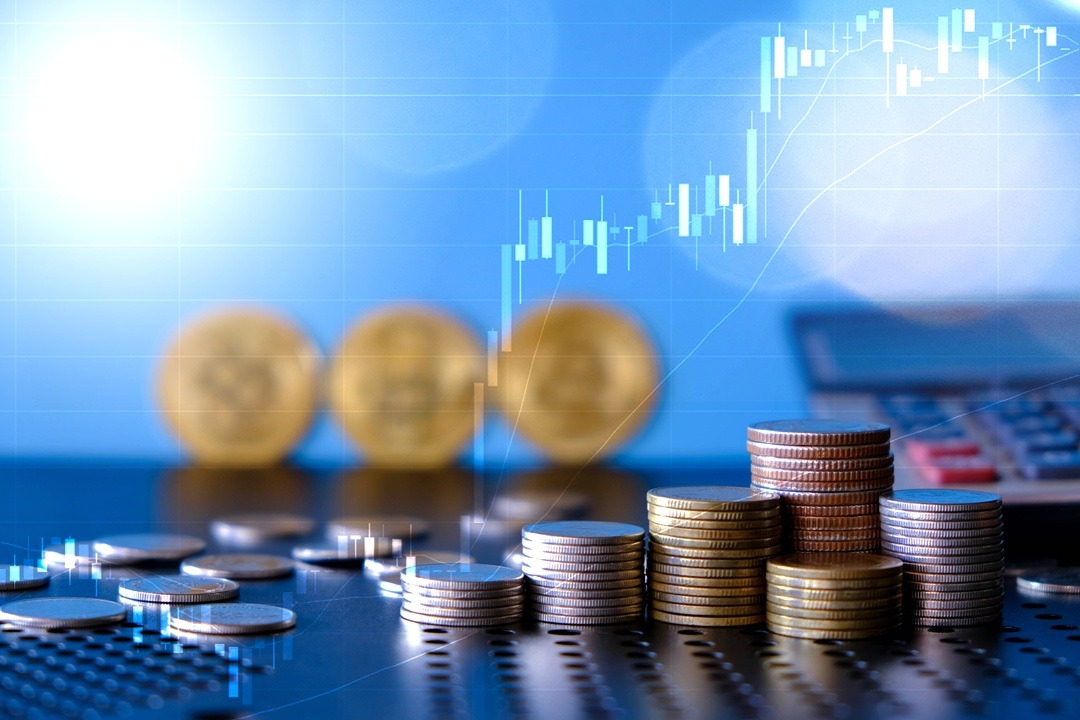
How do interest rates compare between crypto savings and traditional bank accounts?
Interest rates on crypto savings accounts may be higher than on traditional bank accounts. Because the return mechanism works differently and the risk level is higher.
Banks offer more stable interest rates depending on central bank policies and deposit costs. However, the interest they offer is limited.
Interest rates on crypto accounts change rapidly depending on market liquidity, lending demand, staking/DeFi returns and the business model of the platform.
Therefore, it may be possible to earn interest on digital assets by using digital banking for crypto savings. However, here you should take into account factors such as platform risk and volatility in addition to return.
To make a more accurate comparison, do not just look at the percentage rate. Here you should look at the total net return and risk profile.
Analyze details such as duration, withdrawal condition, fees, security infrastructure and insurance with a digital asset wealth management approach.
When comparing interest rates, look at these steps:
- You can calculate the net return, not the gross interest rate.
- You can check whether the interest on crypto accounts is fixed or variable.
- You can compare interest accrual frequency (daily/weekly/monthly).
- You can review the withdrawal conditions and maturity/lock period differences.
- You can take into account deposit insurance and regulation advantages on the bank’s side.
- On the crypto side, you can consider price/peg risk and counterparty risk.
- You can put the total returns of different products side by side for the same period.
Are digital asset savings accounts riskier than traditional savings accounts?
Digital asset savings accounts are riskier than savings accounts in most cases. Because savings accounts in banks are backed by regulation, deposit insurance and built-in protection mechanisms.
The security of your funds in digital assets depends on the platform’s infrastructure, custody model and risk management.
The return mechanism is often through methods such as lending, staking or providing liquidity. This may increase counterparty risk.
High-yield digital asset accounts may seem attractive. But high returns often come with higher risk. Another factor that determines the risk level is the type of asset. Volatility is lower in stablecoin-based products.
There may be platform risk, regulatory changes and liquidity issues. Therefore, when using a digital asset investment account, review the withdrawal conditions, transparency policies, security measures and how the funds are evaluated.
Reduce dependence on a single platform by splitting your portfolio. With this move, you can distribute your risk more controllably.
Can digital asset accounts offer higher returns than conventional savings accounts?
Digital asset accounts promise higher returns than traditional savings accounts. Because returns are determined based on market rather than bank interest. Thanks to models such as lending, staking or providing liquidity, interest rates are sometimes higher than banks.
Decentralized finance savings account or platform-based products may be attractive to users looking for more aggressive returns.
However, this return potential also comes with factors such as platform risk, market risk and regulatory uncertainty.
For a more balanced approach, you can use multi-asset digital savings account models where you can manage different assets in one place. You can constantly monitor your balance with digital wallet savings solutions.
At the same time, you can compare return rates and manage the process in a more controlled manner by activating security controls.
“how to open a digital asset savings account?” Let’s take it. Activate your account immediately by completing online registration, authentication, creating a digital wallet and depositing funds.
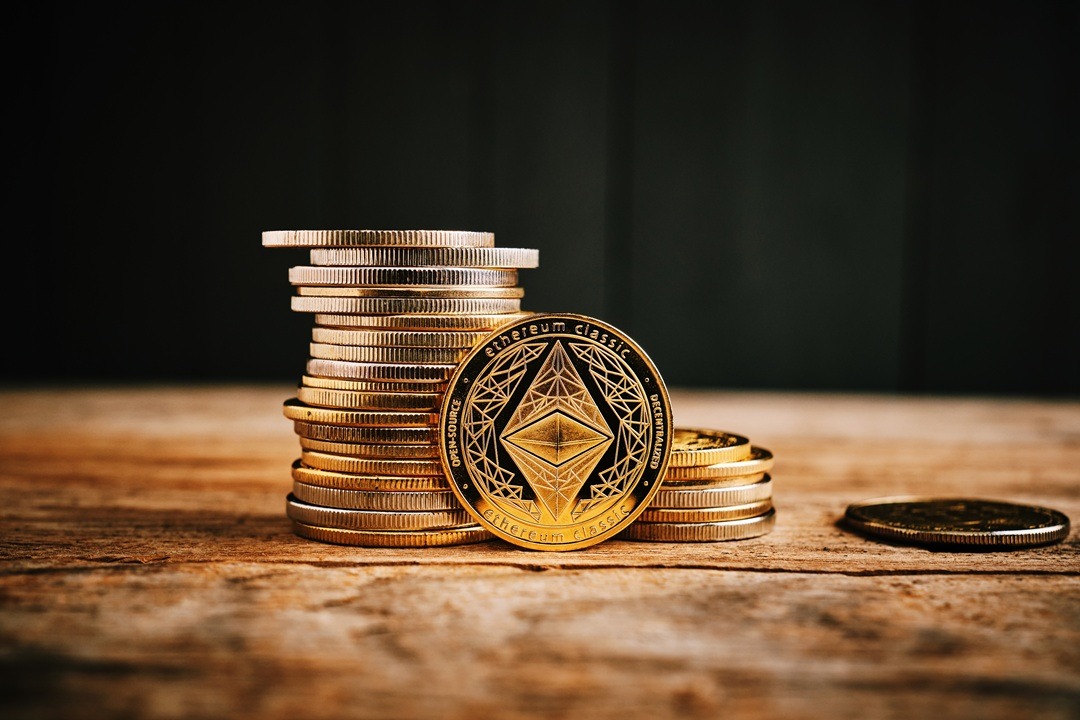
How does accessibility differ between digital assets and traditional savings accounts?
In terms of accessibility, managing digital assets safely in a savings account is more flexible than traditional savings accounts. Because you can make transactions 24/7 via the mobile application. You can instantly access your funds in different countries and currencies and manage deposit/withdrawal processes faster.
The benefits of saving in digital assets include speed and flexibility. Ease of access also increases the need for security. Keep two-factor authentication, withdrawal checks, and notifications enabled to securely manage digital assets in a savings account.
Security and transparency await you with the best digital asset savings accounts for crypto investors.
Are digital asset savings accounts insured like traditional bank accounts?
Decentralized finance savings accounts and similar digital asset savings accounts are not covered by deposit insurance like traditional bank accounts. Because savings accounts in banks are protected by state-backed deposit insurance and strict laws.
The security of your funds in your digital assets varies depending on the storage model of the platform, its security infrastructure and the regulations of the country in which it is located.
Some platforms offer special insurance policies or reserve funds. However, this protection is not a standard and guaranteed system like bank insurance.
Before using a digital asset savings account, “is there insurance?” Act by answering the question. When using these accounts, you should set up the process correctly from the beginning. “how to open a digital asset savings account?” Let’s take it.
Follow the steps to register online, authenticate, create a wallet, and deposit funds. The benefits of saving in digital assets during this period include high return potential and quick access. However, due to the lack of insurance, risk management becomes more critical.
Manage your funds by dividing them instead of keeping them on a single platform. You can choose providers that offer strong security measures.
How does diversification work in digital asset savings versus traditional accounts?
In traditional accounts, diversification is usually done with different maturities, currencies or deposit types. Diversification in digital asset investment account holdings is carried out through distribution among different crypto assets, stablecoins, yield products (flexible/futures) and different platforms.
By using a multi-asset digital savings account, you can manage multiple asset types in the same panel. You can instantly monitor the return and risk level with digital wallet savings solutions.
Let’s explain how you can use the diversification process:
- You can reduce the risk of fluctuation by distributing stablecoin and volatile crypto assets at separate rates.
- You can balance liquidity and return by using flexible and forward products together.
- You can split the platform risk by keeping balance in more than one provider instead of a single platform.
- You can reduce dependence on a single source of income by mixing different return models (staking, lending, DeFi).
- You can maintain your risk balance by periodically monitoring the return and updating the weights.
Can I earn passive income through digital asset savings accounts?
It is possible to earn interest from digital assets. Digital asset savings accounts are the most common options used for this purpose. In these accounts, you can invest your crypto assets or stablecoin balance with a specific return model. In this way, you can earn regular income.
Return rates may be higher than bank savings accounts. That’s why high-yield digital asset accounts can help you if you’re looking for passive income.
However, these systems include platform risk, regulatory uncertainty and asset-based risks. Therefore, you should focus on security as well as return.
Spread your risk when using a digital asset trading account for a more controlled strategy. Manage your assets by dividing them into different products rather than tying them to a single product or a single platform. It may be a good method to balance flexible and forward options.
How do security measures compare between digital assets and traditional savings accounts?
In terms of security measures, traditional savings accounts offer more standard and legally focused protection.
In the assets section, security depends mostly on the technical infrastructure of the platform and user behavior. When you use digital banking for crypto savings, you should focus on account security. For this, you can use technical measures such as two-factor authentication, encryption, cold wallet storage and transaction monitoring.
The way crypto interest account products generate returns may create some risks. Therefore, you should carry out risk management more carefully.
When making a comparison, do not prioritize “account login security”. Check out criteria such as custody of your funds, fraud prevention, and access in crisis situations.
Assess platform risk and operational security with a digital asset wealth management approach. As a result of the evaluation, you can clarify which structure is more suitable for you.
What role does market volatility play in crypto savings versus bank savings?
Return and risk are more predictable in bank savings. However, market volatility is much more decisive in crypto savings. Because when using a crypto savings account or digital asset savings account, you must also manage the price movement of the asset you hold.
If the asset price falls, the value of your total balance decreases, even if you earn interest. This risk is lower in stablecoin-based products. However, in this case, the platform risk still continues. Therefore, crypto savings are more dynamic than traditional savings in the bank.
Since it is managed through online digital asset banking, it provides access and speed advantages. Volatility particularly closely affects the sustainability of returns. Interest rates on blockchain savings account or digital currency savings account products can change rapidly depending on market liquidity.
With higher returns, your risk is also higher. You can balance asset allocation to use a secure digital asset account. You can manage stablecoins and volatile assets separately here. You can choose infrastructures that transparently present how your funds are evaluated.
Check out The Kingdom Bank‘s offers to set up a technology-based system. You can visit our website to reduce the volatility of crypto savings.
About The Author

Legal Disclaimer: The Kingdom Bank is licensed and authorised by the Financial Services Unit, Ministry of Finance of the Commonwealth of Dominica, licensed as a banking institution under the International Banking Act, fully authorised to provide services to clients worldwide, under the prudential supervision of the Financial Services Unit. thekingdombank.com operates under a licence granted by the Commonwealth of Dominica and provides its services to customers under this licence.