

Physical Debit Cards vs. Digital Wallets: Which Is Right for You?26 min read
Reading Time: 9 minutesInternational debit card tips can make or break your travel experience. Whether you fly often or are booking your first international trip, the choice between a physical debit card and a digital wallet comes down to convenience, security and cost.
Both have their unique advantages, though the one you should choose depends largely on your spending habits, your travel destinations, and your financial priorities.
Modern banking services fill the void by providing multi-currency accounts, dedicated IBANs, virtual cards; all tailored to making international ATM and debit card use hassle-free.
By the end, you’ll know how to use your debit card internationally without extra fees while keeping transactions smooth and secure.
Some international debit card tips will make your travel life easy; ignorance can cause you endless problems. Whether you’re a seasoned traveler or planning your first overseas trip, the decision of whether to bring a physical debit card or use a digital wallet can affect how convenient, secure, and costly your trip is.
Each can offer its own particular benefits, but knowing the two apart will help you maximize your earnings and avoid unwanted fees.
For travelers, what the best way to pay is depends on your destination, how you spend your money, and what you want to feel most secure about.
A physical debit card is still essential for withdrawing cash and making in-person purchases, but digital wallets offer unparalleled speed and contactless payments.
Not all cards and wallets are equal; some have high foreign transaction fees while others deliver low-cost global payment solutions for travelers.
We lay out the positives and negatives of both so you can figure out what works best for you. We will discuss everything you need to know whether it be how to prevent hidden fees while traveling or how to best use a secure debit card on the road.
What is the main difference between physical debit cards and digital wallets?
Physical debit cards are material, chip-and-PIN (EMV) or contactless payment instruments linked directly to your bank account. In addition, they are universally accepted, especially when it comes to face-to-face transactions, ATMs, and places where online payment infrastructures are weak.
A travel debit card guide often highlights their reliability in regions where mobile payments aren’t yet mainstream.
Digital wallets, conversely, hold card information in an electronic format on your smartphone or smartwatch. Services such as Apple Pay, Google Pay or your bank’s own app allow you to tap your phone to pay and ditch the plastic card.
They are designed for fast, low-value transactions and online purchases. But not all… Particularly in rural areas or where people aren’t as tech savvy don’t have those.
Few differences to keep in mind:
- Availability: You can use a physical card anywhere, but a digital wallet relies on whether or not the merchant supports them.
- Ordering a physical travel debit card involves receiving it in the mail. Adding cards to digital wallets involves downloading the app and linking your bank or credit account.
- Alternatives: You can be locked out of your digital wallet if you lose your phone, but you can have a spare physical card for backup.
Are digital wallets safer than physical debit cards?
Security is a top concern for anyone using debit cards abroad. Digital wallets can measure up well in this respect as they have encryption, tokenization (convert card numbers into unique codes) and biometric authentication (fingerprint or facial recognition).
These policies significantly drop the chances of your identity being used fraudulently if your phone goes missing.
Still, physical cards can be skimmed, cloned, or stolen. Having said that, modern best debit cards for international travel are equipped with EMV chips and dynamic CVVs to reduce the risks.
Many banks also offer instant card-freezing via mobile apps; a critical feature for secure debit card use abroad.
Safety tips for both:
- Digital wallets: Turn on two-factor authentication and don’t use public Wi-Fi to make payments.
- Physical cards: Withdraw at bank ATMs, cover the keypad when punching in your PIN, and opt-in for transaction alerts.
Real-time fraud monitoring: your dedicated IBAN account is directly linked to real-time monitoring, and your funds remain protected whenever you swipe, tap, or transfer.
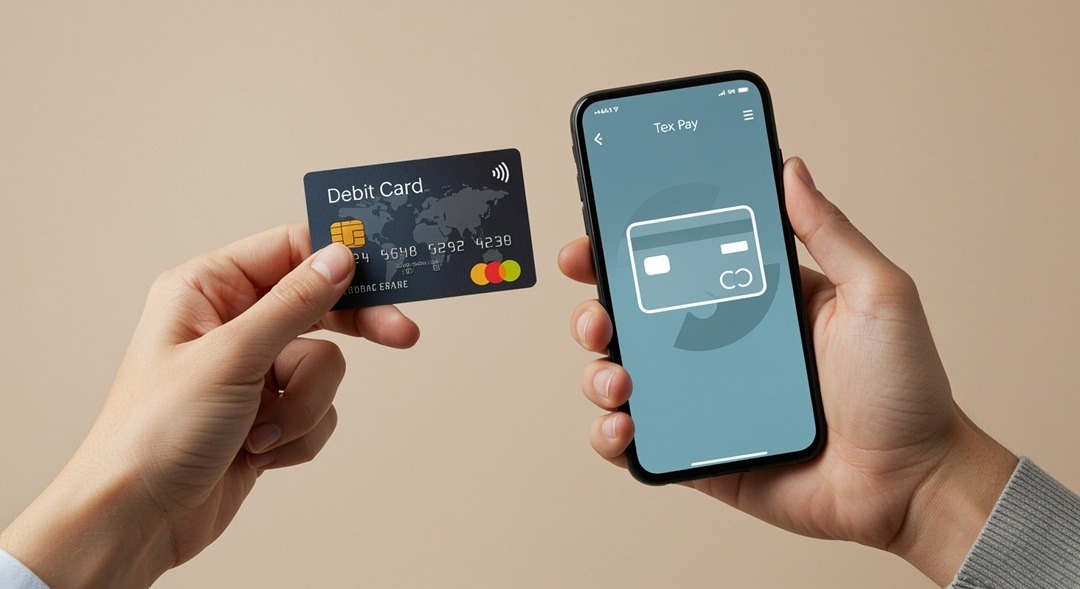
Can I link my debit card to multiple digital wallets?
Yes, but with caveats. Most travel-friendly banking cards allow linking to multiple digital wallets (e.g., Apple Pay, Samsung Pay, and Google Pay). This redundancy is valuable if one wallet happens to fail or if a merchant only takes a certain platform.
Considerations:
- Restrictions from the banks: certain issuers will only allow a limited number or digital wallets to be linked to the card at any one time.
- Spending limits: Large transactions might prompt further verification, even when using digital wallets.
- Currency support: Make sure your wallet is compatible with the local currency to avoid bad tips on exchange rates for using a debit card.
For business travelers or expats, multi-currency accounts also make life a lot easier as you can hold and make payments in multiple currencies without the need for frequent conversions.
How convenient is it to pay with a digital wallet compared to a debit card?
Digital wallets are fast and convenient when you use them for everyday purchases. A simple tap is quicker than swiping a card and typing in a four-digit number, and that speed makes it perfect for use on public transportation, at coffee shops and retail stores.
They also help minimize contact; another bonus when traveling post-pandemic.
Where debit cards win:
- Cash withdrawals at an ATM: Necessary for places where cash is still the preferred mode of payment (such as Japan or Germany).
- Hotel deposits: Many hotels need a physical card on file for incidentals.
- Offline transactions: You may find that some rural locales, or markets, don’t take mobile payments.
Have both. Use your digital wallet for small purchases, and keep a physical debit card for travelers to pay for the larger, cash-heavy expenses.
With virtual cards can even create one-time numbers for online bookings, for enhanced security.
Do physical debit cards still offer advantages over digital wallets?
Despite the increasing popularity of digital payment options, there are still many times when people need and use physical cards:
- Widespread acceptance: Even in the most technology-savvy cities, there are still vendors (e.g., taxis, street vendors) like cash or cards.
- Get cash in an emergency: There are ATMs everywhere but digital wallets can’t spit out local money.
- Renting: When renting a car, bike or equipment, you will usually need a physical card for your deposit.
- No battery dependency: If your phone dies you aren’t left stranded if you have a backup card.
Cost considerations:
- Foreign transaction fees debit card vary widely. Few banks have foreign transaction fees of 1-3%, some let you spend multi-currency without fees.
- ATM fees: You can get hit with double fees when getting cash abroad (from your bank, and the ATM). Always double check your travel smarter with debit cards policy for partner ATMs.
Best practices for safe debit card use while traveling:
- Notify your bank of travel plans to avoid blocks.
- Use cards with no foreign transaction fees (e.g., best debit cards for international travel).
- Withdraw more, less often to reduce ATM fees.
Final Verdict: Which Should You Choose?
What works best for you will depend on the type of trip you’re planning. For using debit cards safely overseas, follow these international debit card tips:
- Short-term leisure travel: A mix of a digital wallet (for convenience) and a debit card for overseas payments (for backup).
- Long-term stay or business trip: A multi-currency account with physical and virtual cards to keep your expenses in check.
- Cash intensive tourist spots: Opt for a physical debit card for low ATM charges travelers.
Avoiding hidden fees while traveling starts with the right card. Look for:
- No foreign transaction fees
- Competitive debit card exchange rate tips (interbank or near-interbank rates)
- Free/cheap ATM withdrawals while traveling
Are there fees associated with using digital wallets versus debit cards?
Fees start to add up when you spend money in another country. Using debit cards abroad often incurs foreign transaction fees, typically ranging from 1% to 3% per purchase.
Certain banks also impose international ATM and debit card fees, which consist of a flat withdrawal fee and a percentage of the total.
Instead, transaction fees are generally not charged with digital wallets when using a no-foreign-fee debit card.
Although, you might be charged a conversion fee if the wallet is converting the money automatically. For instance, making a purchase in euros with a USD wallet linked card could involve a currency exchange rate markup.
Multi-currency accounts with dedicated IBANs, make the difference and cut down on conversion fees. Our travel-friendly banking cards allow customers to hold and spend money in several currencies without any furtive markups.
Always check your provider’s fee structure before traveling; some best debit cards for international travel waive foreign transaction fees entirely.
What else to look out for fees on? Dynamic currency conversion (DCC). Some merchants use your home currency when you pay abroad.
This seems convenient but often comes with poor debit card exchange rate tips; always opt to pay in the local currency for better rates.
Can I use digital wallets for international transactions?
Yes, but acceptance varies by country. Digital wallets such as Apple Pay, Google Pay and Samsung Pay are accepted across Europe, North America and Asia in some countries.
But contactless payments can be a rare sight in some parts of the world, particularly in Africa, many parts of the Middle East, and rural areas.
For international card payment solutions, digital wallets shine in:
- Speed: Tap-and-go transactions are faster than inserting a card.
- Security & tokenization: Your card details are obfuscated, or encoded via tokenization, thereby reducing the risk of fraud.
- Convenience: Travelers can ditch their physical debit cards instead.
But there are limits. Some countries do not allow foreigners to use digital wallets and you can only use digital wallets at a limited number of online stores. Always carry a backup debit card for overseas payments in case your wallet isn’t supported.
Load your digital wallet with a travel debit card Guide-approved, no-fee debit card. This is to make sure you’re not double billed for the transaction and the conversion.
How do debit cards and digital wallets differ in terms of security features?
Security is a big worry when you’re traveling.
So, here’s how the two stack up:
Physical Debit Cards
- Chip-and-PIN protection: This practice is mandatory in several countries and goes forward to an additional level of protection.
- EMV enforcement: Better control over the counterfeit fraud at POS terminals.
- Exposure to loss/theft: Cards can be used after being stolen until they are reported. Always activate SMS alerts on transactions.
- ATM skimming: An abroad classic scam. Do your cashing inside banks and cover the keypad when you punch in your PIN.
Digital Wallets
- Tokenization: Substitutes the card information with a unique token, enhancing security of the transactions.
- Biometric authentication: Fingerprint or facial recognition creates an additional layer of security.
- No physical contact: You don’t expose yourself to the risk of skimming when/if you don’t give them a card.
- Limited acceptance: Many merchants do not accept contactless payments, especially in less developed countries.
For secure debit card use abroad:
- Register for transaction alerts.
- Utilize virtual cards for online shopping.
- Enable two-factor authentication on your bank app.
However, if you’re really concerned about security, the best advice for safe debit card use while traveling is to use a combination of both; use a digital wallet for most purchases and carry a physical debit card as a backup.
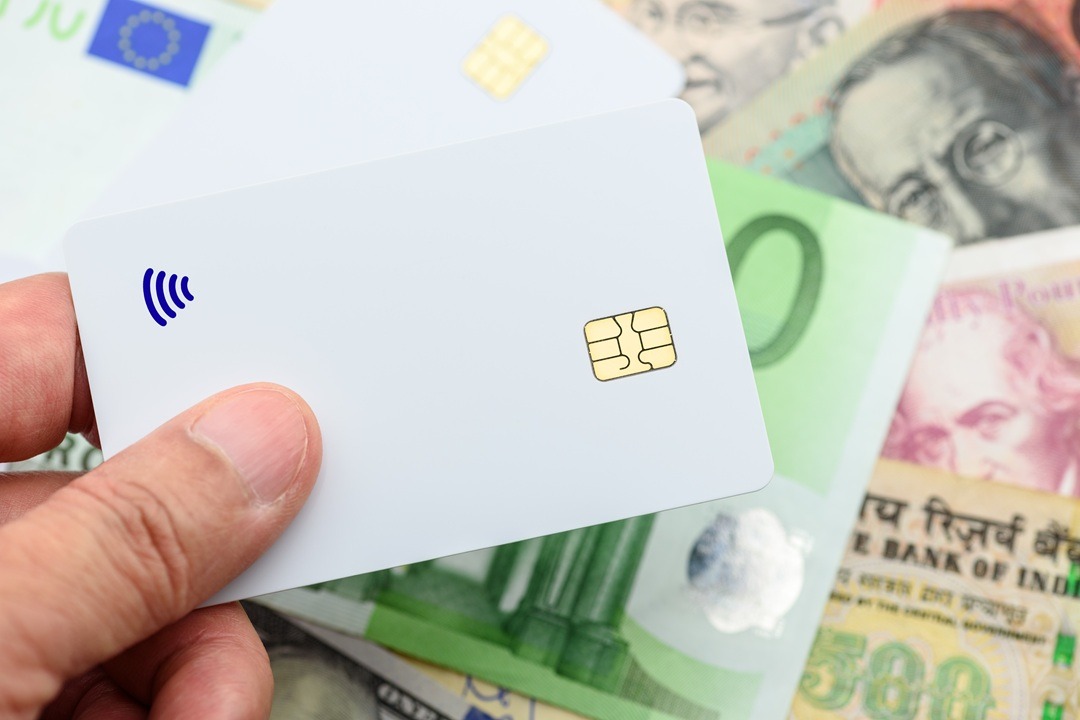
Can I withdraw cash with a digital wallet like I can with a debit card?
Digital wallets do not offer access to cash directly. Contactless payments can be used with them but you also need a physical card to use an ATM. This is a key difference for travelers who need local currency.
Foreign transaction fees debit cards often apply to ATM withdrawals, so opt for banks offering fee reimbursements or partnerships with global ATM networks.
For international ATM and debit card use, follow these tips:
- Use your bank or credit union ATM: Using your own bank’s ATM or a credit union that your bank is partnered with will usually mean you have to pay less or no fees.
- Stay away from airport ATMs: They charge more fees and give worse exchange rates.
- Take out bigger amounts less often: For avoiding hidden fees while traveling, withdraw larger sums less frequently and use in-network ATMs.
- Alert your bank: Many banks freeze cards for suspected fraud, including when cards are used overseas without prior notice.
Some travel smarter with debit cards strategies include:
- Holding a no-foreign-fee debit card.
- Find out if your bank pays you back for ATM fees.
- Opening a multi-currency account to keep local funds on hand and to dodge conversion fees.
For heavy cash users a physical card is non-negotiable. Digital wallets complement but don’t replace the need for physical debit cards for travelers.
Which option is better for budgeting and tracking daily expenses?
Thanks to digital wallets and banking apps, it’s easier than ever to keep tabs on how much you’re spending.
Here’s how they stack up:
Digital Wallets
- Quick alerts: Instant notifications for every transaction.
- Expense categorization: Many apps categorize spending (e.g., dining, transportation).
- Best parts of your chips: Some wallets also save digital receipts.
- Limited to linked cards: You can only track spending on the cards connected to the wallet.
Physical Debit Cards
- Bank statements: Comprehensive information on all transactions, including ATM withdrawals.
- Track manually: As there is no app, you should separately record your expenses.
- Easier for cash spending: When you withdraw local money, you’ll have to keep tabs on those expenses the old-fashioned way.
When it comes to travel friendly banking cards, digital banks provides tools to manage expenses right in the app for users to:
- Spell out daily spending limits.
- Receive real time exchange rate updates.
- Export transaction history for budgeting.
Best practices for safe debit card use while traveling include:
- Use a dedicated travel card to keep your expenses separate.
- Activate push notifications for all transactions.
- Check statements on a weekly basis to detect any unauthorized charges.
For how to use your debit card internationally without extra fees, pair it with a budgeting app that tracks foreign spending in your home currency.
However, preparing your debit card for international travel by setting up alerts ensures you stay on top of spending; no matter which method you use.
To sum up: Which one is right for you?
The best choice depends on your travel style:
- Frequent travelers will love this travel debit card guide recommended card + digital wallet that has no foreign transaction fees.
- Cash-based locations have a fee for ATM use for travelers with a physical debit card.
- Users concerned about security should focus on the security of debit card use while travelling abroad, using tokenized digital wallets and transaction alerts. For using debit cards safely overseas, enable two-factor authentication on linked accounts and set transaction alerts.
For global payment solutions for travelers, The Kingdom Bank provides multi-currency accounts, dedicated IBANs, and 24/7 support; ideal for avoiding foreign transaction fees and how to avoid foreign transaction charges on debit cards.
In the end, the best practice is redundancy: bring both your top pick for the best debit card for international travel and a digital wallet.
About The Author

Legal Disclaimer: The Kingdom Bank is licensed and authorised by the Financial Services Unit, Ministry of Finance of the Commonwealth of Dominica, licensed as a banking institution under the International Banking Act, fully authorised to provide services to clients worldwide, under the prudential supervision of the Financial Services Unit. thekingdombank.com operates under a licence granted by the Commonwealth of Dominica and provides its services to customers under this licence.