

Best Crypto Wallet for Beginners and Experts in 202627 min read
Reading Time: 10 minutesWe will be discussing the best crypto wallet for beginners and experts in 2026. The range of crypto wallet options which had been introduced in the past has now become very important for keeping digital assets safe and efficiently managing them.
Whether you’re a crypto newbie or a seasoned trader, the platform you use makes all the difference. From multi-currency support and institutional-grade security to accessibility etiquette, the best crypto wallet in 2026 will hive off be feature-packed as much as it’s easy to use. But there are so many, which should you choose?
TİP ↵ This guide will explain what to look for, how experts test their picks, and how your security and convenience can increase if you link a crypto bank account with your wallet.
By the time you’re done, you’ll know everything you need to know to pick a safe crypto wallet, and why The Kingdom Bank is the best for seamless crypto banking integration.
A crypto wallet is more than a tool; it’s the means through which you access, manage, and interact with your digital assets with security, speed, and full autonomy. Trading expertise or not, the choice of solution matters.
From multi-currency support to institutional-grade security, the best crypto wallet 2026 options now integrate seamlessly with crypto banking services, offering features once reserved for traditional finance.
All wallets are different, however, so not all of them allow you to do the same things. Some shine in security, others in usability, and a chosen few, like those connected to crypto-friendly bank accounts, enable you to do everything you could want financially.
Below, we break down what experts and beginners should look for, how security has evolved, and why a multi-currency crypto wallet might be the smartest choice for diversified portfolios.
What Is a Crypto Wallet and Why Is It Important in 2026?
A crypto wallet is a digital application or software that is used to store, send, and receive cryptocurrencies.
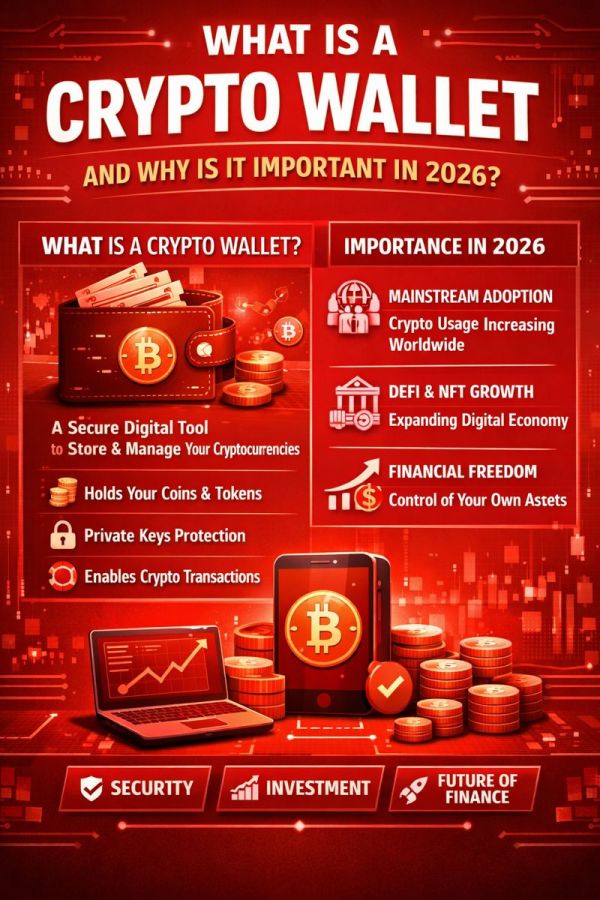
Wallets also provide users with full control over their private keys, meaning no one can freeze or seize funds without the user’s permission; unlike a typical bank account.
In 2026, they have been increasingly relevant for:
- Rising adoption: Crypto is getting more widely used as more businesses, people and organizations accept it for payments, investments and savings.
- Regulatory changes: Governments now require more transparency in digital asset transactions, so features like secure crypto wallets are now mandatory.
- Growth of DeFi and Web3: Wallets serve as access points to decentralized finance (DeFi), NFT marketplaces, and smart contract activity.
Users are faced with the possibility of losing funds to hacks, scams, or human error if they choose the wrong wallet app.
That’s why learning about the types of crypto wallets: hot, cold, custodial, non-custodial is the first step towards managing a crypto wallet safely.
What Features Should Beginners Look for in a Crypto Wallet?
They usually want ease of use and security. Here are some things to consider when purchasing a crypto wallet for beginners:
1 – Ease of Use
Some crowded or complicated crypto wallet apps can intimidate new users. Look for:
- Easy navigation (e.g. clearly marked send/receive buttons).
- Pre-installed guides or tool tips showing how to use crypto wallet important features.
- Mobile capabilities (a crypto wallet for mobile ensures access on the go).
2 – Multi-Currency Support
There are currencies that not all wallets can hold! A multi-currency crypto wallet enables its users to store Bitcoin, Ethereum, stablecoins, and other altcoins in one single wallet.
The Kingdom Bank stands out for providing dedicated IBANs for the conversion from fiat to crypto among others as well as the holding of digital assets.
3 – Strong Security Measures
Beginner-friendly doesn’t mean weak security. Important characteristics are:
- Logins and transactions use two-factor authentication (2FA).
- Backups and recovery methods (e.g., seed phrases kept offline).
- Integration with cold storage for long-term holdings.
4 – Support for customers
Problems such as failed transactions or lost passwords require immediate assistance. The best crypto wallet vendors provide 24/7 support through chat, email or telephone, just like The Kingdom Bank that provides round-the-clock support to its crypto account holders.
5 – Transparent Pricing and Low Fees
There are hidden fees that erode profits. Compare:
- Fees for the network. (depends on the blockchain)
- Exchange rates for in-wallet swaps.
- Cost of withdrawing or depositing (some of the best crypto wallets sometimes waive fees on certain transactions).
How Do Expert Users Choose the Best Crypto Wallet in 2026?
Basic features don’t cut it for active investors and traders.
They want to be prioritized:
1 – Advanced Security and Custody
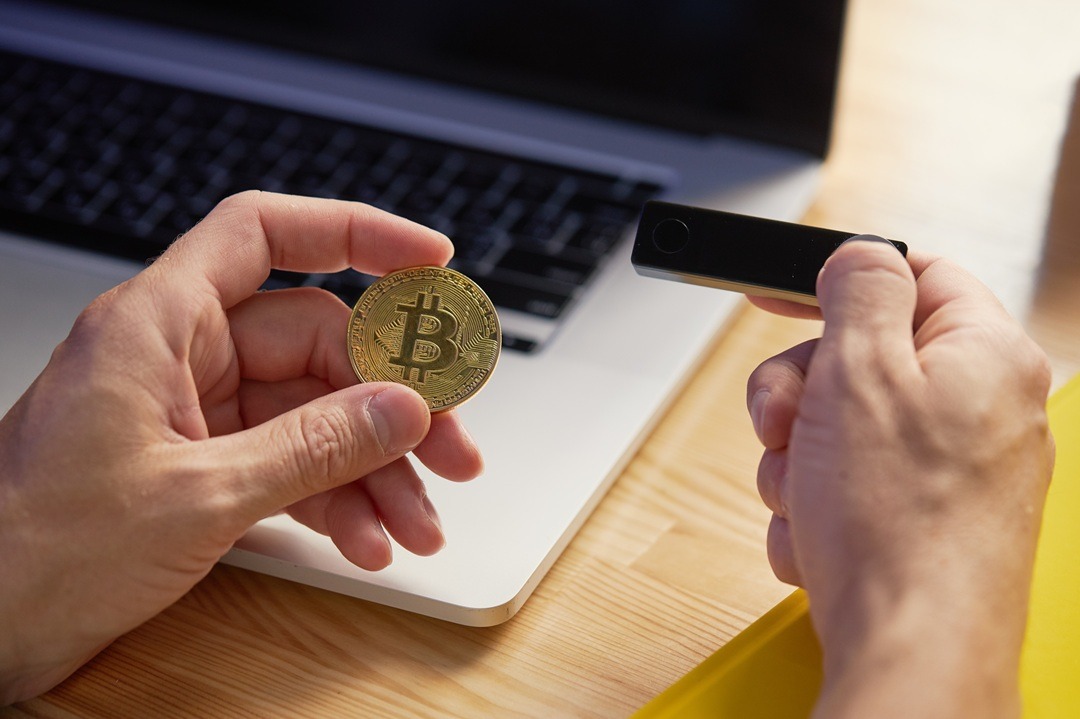
- Hardware vs software crypto wallet: Most users opt for hardware wallets such as Ledger, Trezor for cold storage, and software wallet for daily transactions.
- Multi-signature (multi-sig) support: A multi-signature bitcoin transaction requires more than one approval to spend bitcoins, which reduces the risk of hacking or theft.
- Institutional-grade custody: The Kingdom Bank is at your service for your crypto banking needs, availing segregated accounts and audit trails for substantial assets.
2 – DeFi and Smart Contract Integration
- Compatible with Ethereum, Solana and other smart contract networks.
- In-app DApp browser for direct access to DeFi protocols.
- Staking and Yield Farming to make Passive Income.
3 – Cross-Chain and Atomic Swaps
- Support for multi-currency crypto wallet functionality across blockchains (e.g., Bitcoin to Ethereum without an exchange).
- Atomic swaps allow two parties to trade one cryptocurrency for another without trusting a third party.
4 – API and Automation
- APIs that allow users to connect to trading bots or portfolio trackers.
- Automated recurring payments (useful for crypto wallet for business use cases).
5 – Regulatory Compliance
- KYC/AML for institutional or large-volume users.
- Tax tools to make compliance simpler.
For the pros, the best crypto wallet is one that adjusts to their needs; whether that’s ultra-high-frequency trades, long-term HODLing, or integrating with crypto banking.
What Are the Differences Between Hot and Cold Crypto Wallets?
Knowing what types of wallets there are helps users choose the appropriate storage solution.
| Feature | Hot Wallets (Software) | Cold Wallets (Hardware) |
| Connection | Always online | Offline (air-gapped) |
| Convenience | Instant access | Manual setup for transactions |
| Security Risk | Higher (vulnerable to hacks) | Lower (immune to online threats) |
| Best For | Daily transactions | Best crypto wallet for long-term storage |
| Examples | Mobile apps, exchange wallets | Ledger, Trezor, paper wallets |
Hybrid approach: Many people use both a hot wallet for spending and a cold wallet for saving.
The Kingdom Bank closes this disparity by providing crypto account services with the benefits of cold storage and instant access capabilities.
Which Crypto Wallets Are Best for Beginners
For those just starting, these top crypto wallets stand out:
1 – Wallets That Are Mobile-First
- Pros: Simple installation and use, QR code-based payments, biometric logins.
- Cons: Not as secure as hardware due to being software.
- Best for: Small transactions and learning.
2 – Exchange-Integrated Wallets
- Pros: Built-in trading, fiat on-ramps.
- Cons: You don’t own your private keys (crypto wallet vs exchange debate).
- Best for: for buying and selling quickly, but not long-term holding.
3 – Bank-Integrated Wallets
- Pros: Includes the best features of crypto friendly banks (such as IBANs and multi-currency accounts) and the best features of wallets.
- Cons: Possibly have to know your customer (KYC).
- Ideal for: Those who want both fiat and crypto in one place.
- Top pick: The Kingdom Bank’s crypto bank account just might be the best you can get, with dedicated IBANs, virtual cards and crypto wallet features under one roof.
4 – Educational Wallets
- Pros: Streamlined user interfaces with useful educational materials.
- Cons: Not enough power user features.
- Best for: Absolute beginners.
5 – How to Choose the Right Crypto Wallet?
- Determine your needs: For day-to-day use or for holding long-term.
- Test security: Activate 2FA and make seed phrase backups.
- Begin small: Consider a mobile wallet before purchasing a hardware one.
Concluding the Remarks
The crypto wallet 2026 landscape is defined by convergence: wallets are no longer standalone tools but part of broader crypto banking ecosystems.
Whether you’re a beginner or an expert, the key is to:
- Make security your priority; don’t compromise on control of your private keys.
- Diversify storage; use hot wallets for spending and cold wallets for savings.
- They also can integrate with banking; The Kingdom Bank, for example, combines crypto account management with traditional finance through IBANs, virtual cards and multi-currency support.
With the tightening of regulation and the continued expansion of adoption, the best crypto wallet will continue to be the one best suited for your evolving needs; now, and in the days to come.
What Are the Top Crypto Wallets Recommended for Experts?
Experts want exactitude, velocity, and institutional tools.
The best crypto wallets in 2026 also meet those demands, with features including:
- Custody and settlement integration – For off size traders, wallets connected to regulated crypto bank accounts offer segregated storage and real-time settlement. This reduces counterparty risk but keeps liquidity.
- API access and automation – Power users can take advantage of wallets that offer bulk transactions, automated payroll for crypto companies, and direct exchange integrations. For example, the solutions from The Kingdom Bank give you the possibility to make API-driven payments for corporate clients.
- Unique IBANs in crypto-fiat bridging – A good crypto wallet needs to be able to make you easily convert between digital and fiat currencies. Professional-grade wallets will often work with banking providers that provide dedicated IBANs, making them compliant and providing you with quicker fiat on and off ramps.
- Cold storage with multi-signature support – For best crypto wallet for long-term storage, hardware-backed solutions with multi-sig authentication remain the gold standard. Some providers now offer hybrid models, combining cold storage with hot wallet convenience.
The gap between the standard crypto wallet app and the full-on crypto account is starting to blur.
Reviewers are increasingly favoring platforms that integrate wallet and banking functionality, such as The Kingdom Bank’s single platform for asset management, payments and savings.
How Secure Are Popular Crypto Wallets?
Security is still the biggest worry, but the terrain is changing.
Today’s secure crypto wallets combine both traditional and new layered security methods:
Regulations and supporters are important
- Licensed providers are regulated and they often keep funds on full reserve. This would mean that they would be holding 100% of their clients assets 1:1, that would eliminate fractional reserve risk.
- Meeting AML/KYC requirements is not just a legal requirement; it’s a layer of security. Wallets associated with regulated crypto friendly banks with stringent checks on clients, limiting fraud.
Protective technology
- Multi-factor authentication (MFA) is standard now, but top wallets also include biometric authentication and hardware key support.
- Real-time fraud monitoring – Some crypto wallet for business solutions deploy AI to alarm suspicious transactions pre-execution.
- Insurance coverage – Top tier wallets collaborate with underwriters to compensate for hacks or breaches from within. Just make sure to check if your provider has one.
Self-Custody vs. Managed Options
- Hardware vs software crypto wallet debates persist, but hybrid models are rising. For example, a crypto wallet for mobile might use a hot interface while keeping private keys in an offline vault.
- Managed wallets cater to those who want recovery options rather than absolute self-custody. Have you lost your access? Our support teams can help, which self-custodial wallets just can’t do.
For optimum privacy, share assets between a hardware crypto wallet (for cold storage) and a bank-integrated crypto wallet app (for liquidity).
Can a Crypto Wallet Support Multiple Cryptocurrencies?
Absolutely, and in 2026 it’s a must. A “multicurrency” crypto wallet isn’t just holding Bitcoin and Ethereum, it’s about seamless swaps, staking, and cross chain compatibility.
What should you check for
- Native multi-asset support – The wallet can process most major coins (BTC, ETH, SOL) and tokens (ERC-20, BEP-20) natively, no third-party bridges required.
- Auto-conversion tools – A number of crypto wallet services offer to convert on the spot between fiat and crypto using linked IBANs, The Kingdom Bank’s included.
- Stake and yield integration – You can earn passive income directly from your wallet such as The Kingdom Bank’s, with rewards paid right into your crypto account.
- Cross-chain swaps – Don’t use wallets that make you go through external DEXs. The best top crypto wallets also allow you to swap your coins within the app with minimal slippage.
For businesses
Corporate crypto wallet for business users needs wallets that support:
- Batch payments in mixed currencies (e.g., EUR to pay EU contractors, USDT to pay US vendors).
- Separate IBANs for each currency also simplifies accounting.
- Tax tools – Wallets of The Kingdom Bank generate automatically the transactions history for compliance.
Not all multi-currency crypto wallets support fiat. If you require USD/EUR/GBP support, make sure your wallet is connected to a crypto-friendly bank.
How User-Friendly Are the Best Crypto Wallets for Beginners?
Simplicity is what separates the best crypto wallet for beginners from the rest.
So here are the priorities:
Intuitive Onboarding
- No-code setup – Wallets such as The Kingdom Bank’s allow users to complete the account setup within minutes, with video tutorials and live chat assistance.
- Fiat on-ramp – Beginners often start by buying crypto using a card. The best crypto wallet app options offer instant purchase options (through linked bank accounts).
Streamlined Security
- Seed phrase backups with guidance – Rather than simply giving users 12 words, the best wallets also explain how to store them safely.
- Recovery options – The Kingdom Bank’s wallets provide bank-level recovery for lost access, a lifesaver for new users.
Educational Resources
- Integrated Lexicons, market analysis, and your “how to use a crypto wallet” guides help ease the learning curve.
- Some wallets also provide demo modes for novices to carry out mock transactions with testnet funds.
Mobile-First Design
A crypto wallet for mobile should include:
- One-tap transactions.
- Biometric login for Face ID/Thumbprint.
- Push notifications when your payments are confirmed.
Beginner’s Checklist:
- Linked to a crypto friendly bank for easy fiat deposits (crypto wallet vs exchanges are not the same).
- Around the clock assistance.
- Transparent service fee (without hidden fees).
What Are the Costs Associated with Using a Crypto Wallet?
The costs are all over the place, but you want transparency.
Here’s what to watch out for:
Common Fee Types
- Transaction fees – Network fees (e.g., Ethereum gas) are inevitable, but some crypto wallet provide options to vary priority and save.
- Exchange spreads – Wallets with built-in swaps may mark up rates. The Kingdom Bank’s wallet makes the spreads plain at the beginning.
- Subscriptions ― Fancy features of premium crypto wallets (like, say, sophisticated analytics) can run you $10–$50/month or so.
- Withdrawal limits ― Free tiers often limit withdrawals; businesses offer higher limits for a fee.
Costly Errors to Avoid
- Dormancy fees – A few wallets apply fees if you don’t make a transaction for 6+ months.
- Currency conversion fees – Converting between fiat and crypto in a crypto bank account can be subject to charges of 1–3%.
- Management fees – Uncommon, but certain managed wallets charge a % of assets held annually.
How to save
- Bundled services – The Kingdom Bank’s crypto account comes with free intra-bank transfers, and you get discounted FX fees.
- Staking rewards – Some wallets compensate fees with rewards on held assets.
- Volume discounts – Wealthy users can bargain down rates.
A secure crypto wallet with transparent pricing is worth paying for; particularly if it syncs with a crypto friendly bank for seamless fiat operations.
Closing Thoughts: How to Choose the Right Crypto Wallet
The top crypto wallet for you depends on three elements: the level of security you require, the variety of assets you need to hold, and how easy it is to use. Beginners should opt for simple, bank-backed solutions such as The Kingdom Bank’s; where support and means of recovery ease the blow of mistakes.
Professionals, on the other hand, require more sophisticated features such as API access, multi-signature vaults, and institutional custody.
For anyone straddling the worlds of crypto and traditional finance, a crypto bank account (complete with a linked multi-currency crypto wallet) is the holy grail.
It fuses the adaptability of digital assets and the dependability of regulated banking; all housed in a single platform.
Prior to committing ask yourself:
- Does it support my types of crypto wallets (hot/cold/hybrid)?
- Can I manage a crypto wallet safely with recovery options?
- Are the crypto wallet features aligned with my goals (trading, HODLing, business use)?
The Kingdom Bank brings together these ingredients, providing a crypto wallet app that is both powerful for institutions and friendly for newcomers.
In 2026, that’s not just convenience; it’s a competitive edge.
About The Author

Legal Disclaimer: The Kingdom Bank is licensed and authorised by the Financial Services Unit, Ministry of Finance of the Commonwealth of Dominica, licensed as a banking institution under the International Banking Act, fully authorised to provide services to clients worldwide, under the prudential supervision of the Financial Services Unit. thekingdombank.com operates under a licence granted by the Commonwealth of Dominica and provides its services to customers under this licence.